
![[Smile Guide] Worried About Blue Light Teeth Whitening Damaging Your Teeth? Are You a Candidate for Cold Light Bleaching? Understand the Principles and Side Effects in One Article.](https://beame.oss-cn-hongkong.aliyuncs.com/mobilePicture/English-blog-5.png)
Brilliant Strategies for Yellow Teeth
Besides smoking and drinking coffee, many factors can cause teeth to turn yellow! Whether it is genetics, aging, or even the excessive use of fluoridated toothpaste, your teeth's brightness can be affected.
Many people choose to use at-home teeth whitening products, only to find them ineffective even after empty tubes. However, the recently popular "Blue Light Whitening" can apparently brighten teeth with just a gentle flash of blue light. Beame is here to break down the science and side effects behind blue light teeth bleaching so you can whiten with peace of mind!
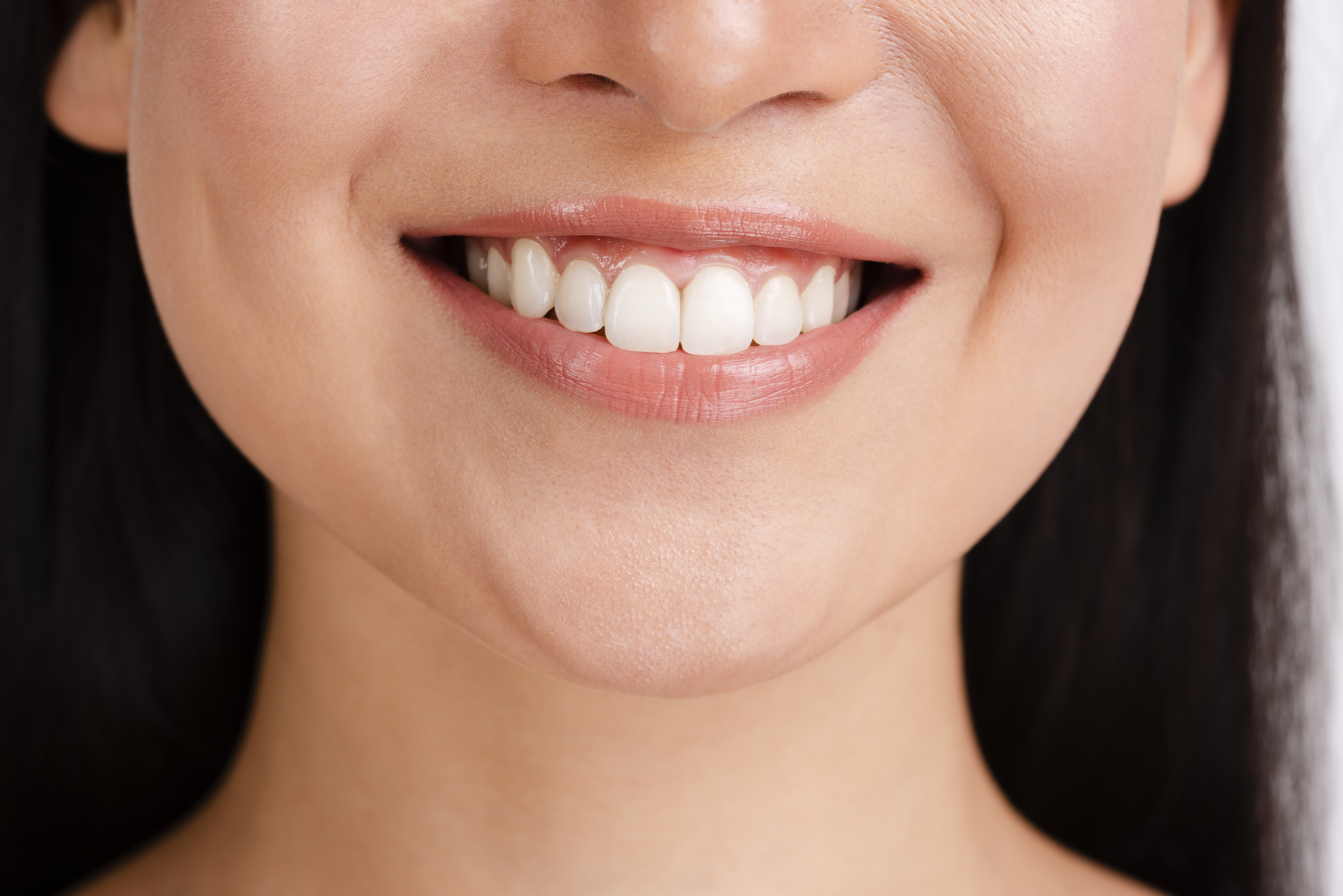
The Principle Behind Blue Light (Cold Light) Teeth Whitening
Deconstructing the Whitening Ingredient: Hydrogen Peroxide
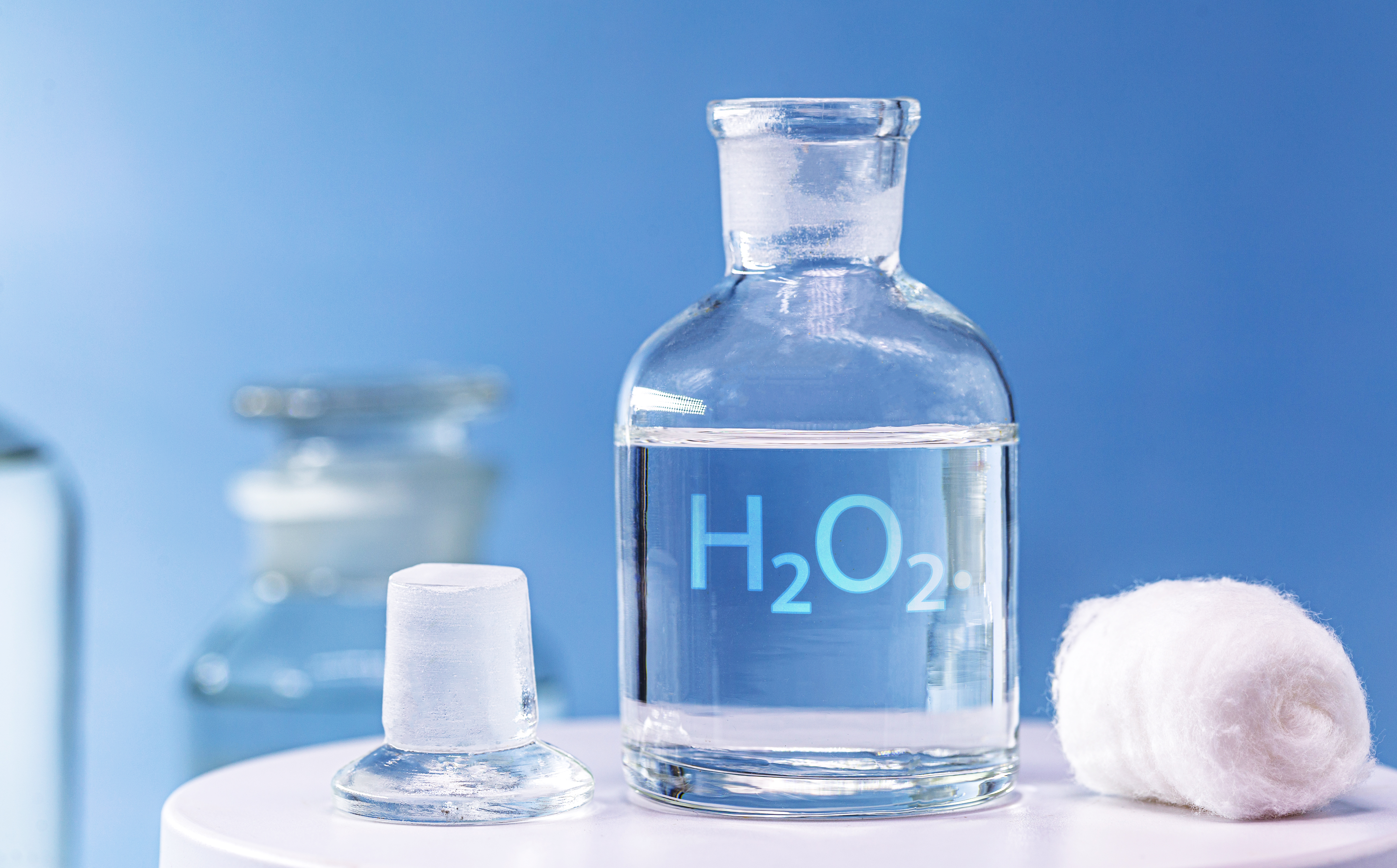
So-called "teeth bleaching" does not actually dye your teeth white like household bleach. Most teeth whitening products on the market contain hydrogen peroxide. Blue light whitening accelerates the oxidation process of hydrogen peroxide, achieving a "bleached" effect in just one hour, which delivers results much faster than daily oral whitening care products.
The Real Hero of Teeth Whitening: Surprisingly Not the Blue Light?
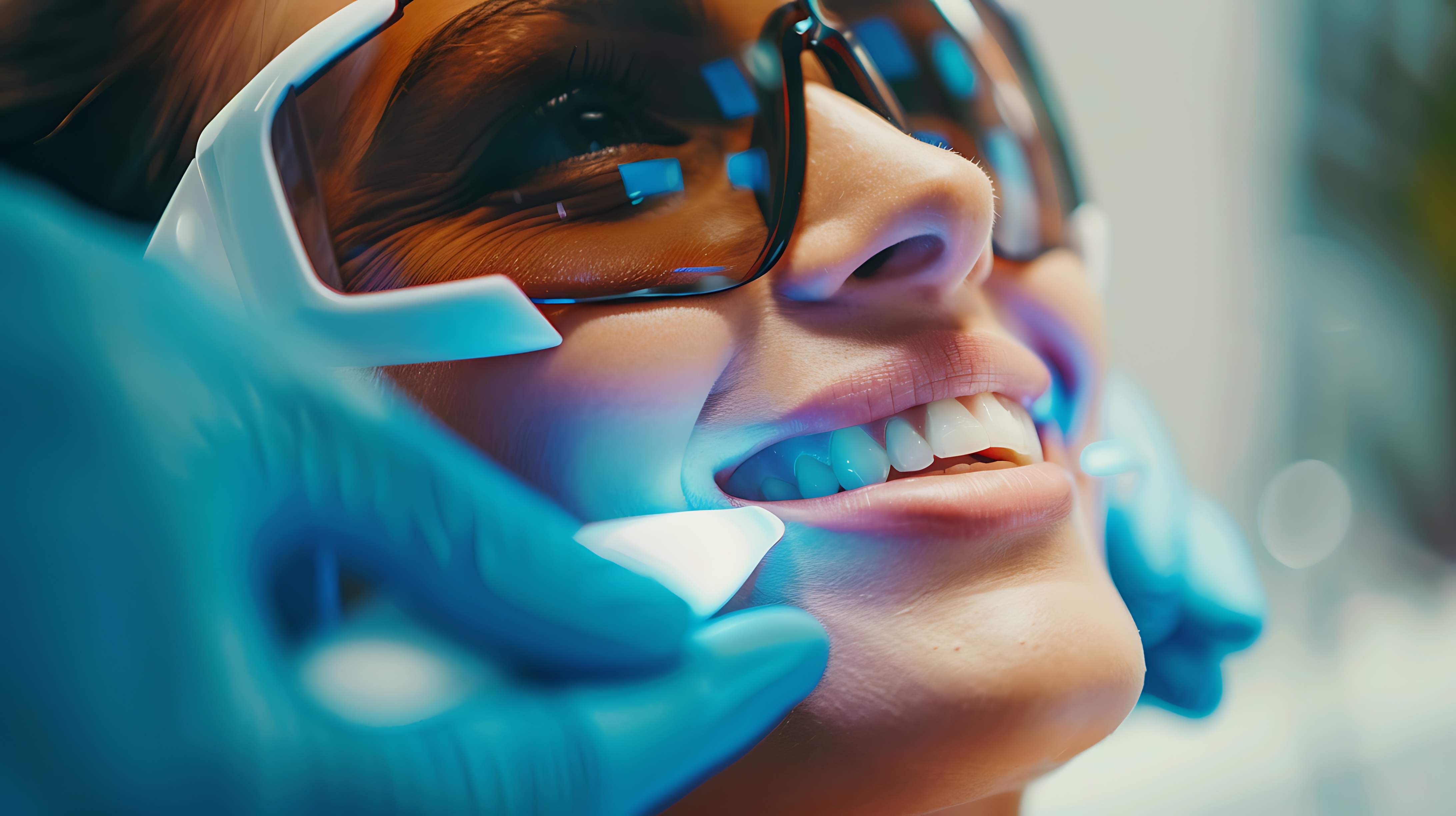
A dentist will apply a bleaching gel containing hydrogen peroxide to the tooth surface and then expose it to blue light in sessions, taking about an hour in total. When the photosensitizer in the gel is exposed to blue light, it accelerates the breakdown of hydrogen peroxide, producing oxygen free radicals.
These oxygen free radicals penetrate deep into the tooth structure to remove accumulated stains, thereby whitening the teeth. In other words, the biggest hero behind blue light teeth bleaching is not the blue light itself, but the hydrogen peroxide.
Can I Bleach My Teeth at Home with a DIY Blue Light Whitening Device?
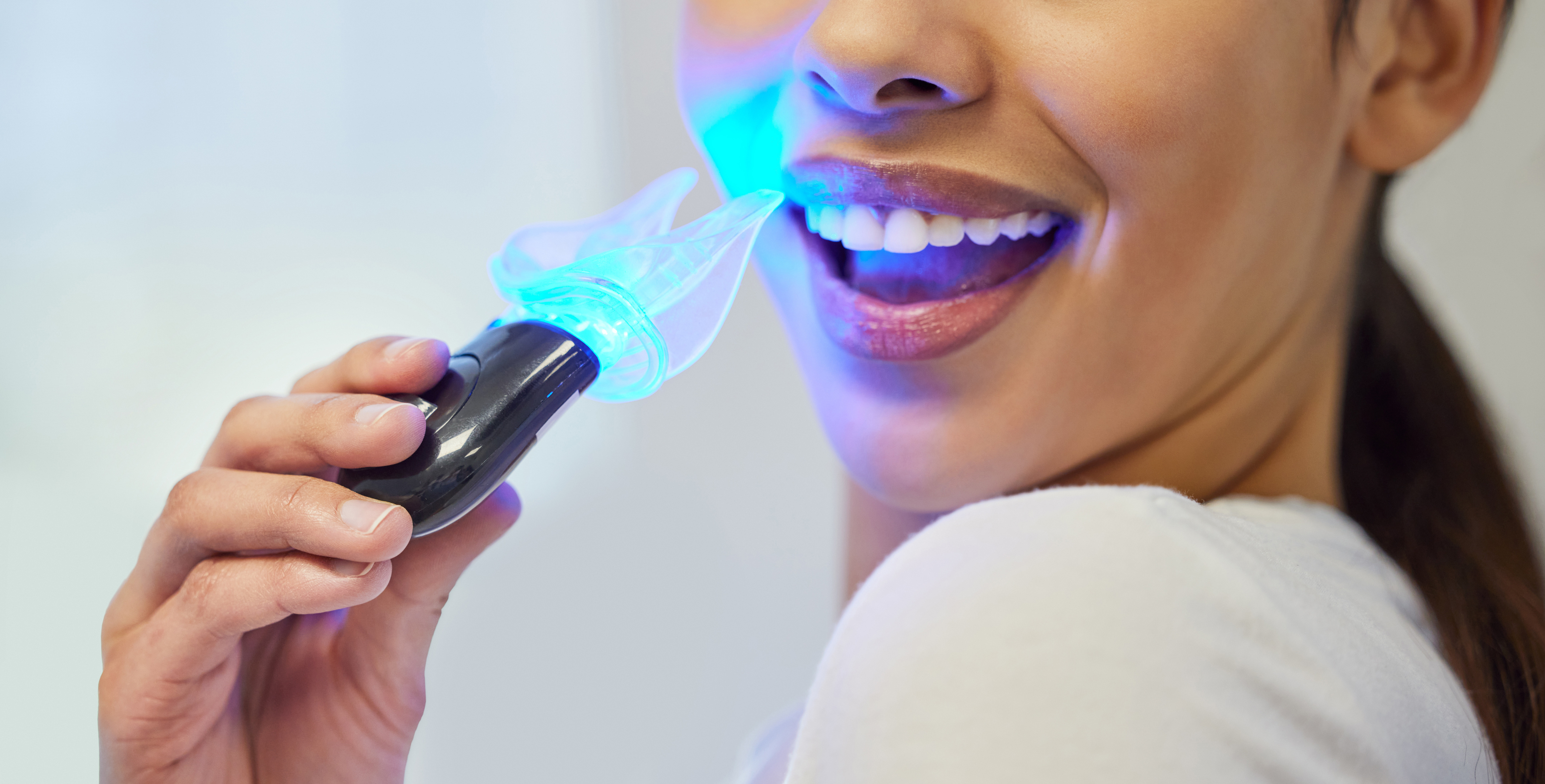
Blue light bleaching yields significant results because the bleaching gel used by dentists contains a high concentration of hydrogen peroxide that cannot be purchased over the counter. Using a blue light whitening lamp with at-home products produces very limited results; improper operation can also lead to adverse consequences for your teeth, gums, or lips.
Who Needs Blue Light Whitening?
Working Professionals: To maintain their drive at work, many professionals rely on coffee and strong tea, which yellow their teeth. Tossing and turning at home trying to scrub it away with whitening toothpaste often yields no improvement. If you want to present a bright smile in the workplace, blue light bleaching is undoubtedly the most time-saving and efficient choice!
Naturally Yellow Teeth: It turns out tooth color can be hereditary, just like skin tone! Due to genetic factors, the baseline shade of teeth varies, and certain genetic profiles make enamel look more yellow. Blue light bleaching can whiten inherited tooth color, helping you reverse your yellow teeth destiny!

Medication-Stained Teeth: Tetracycline is a little-known culprit behind yellow teeth! It is commonly found in medications used to treat pneumonia, acne, and fungal infections. People who took this antibiotic during their adolescence are prone to developing yellow or even grey teeth. Only blue light bleaching can penetrate deep into the tooth layers to truly improve medication-related staining issues.
Side Effects of Blue Light Teeth Whitening
Sensitive Teeth Beware!
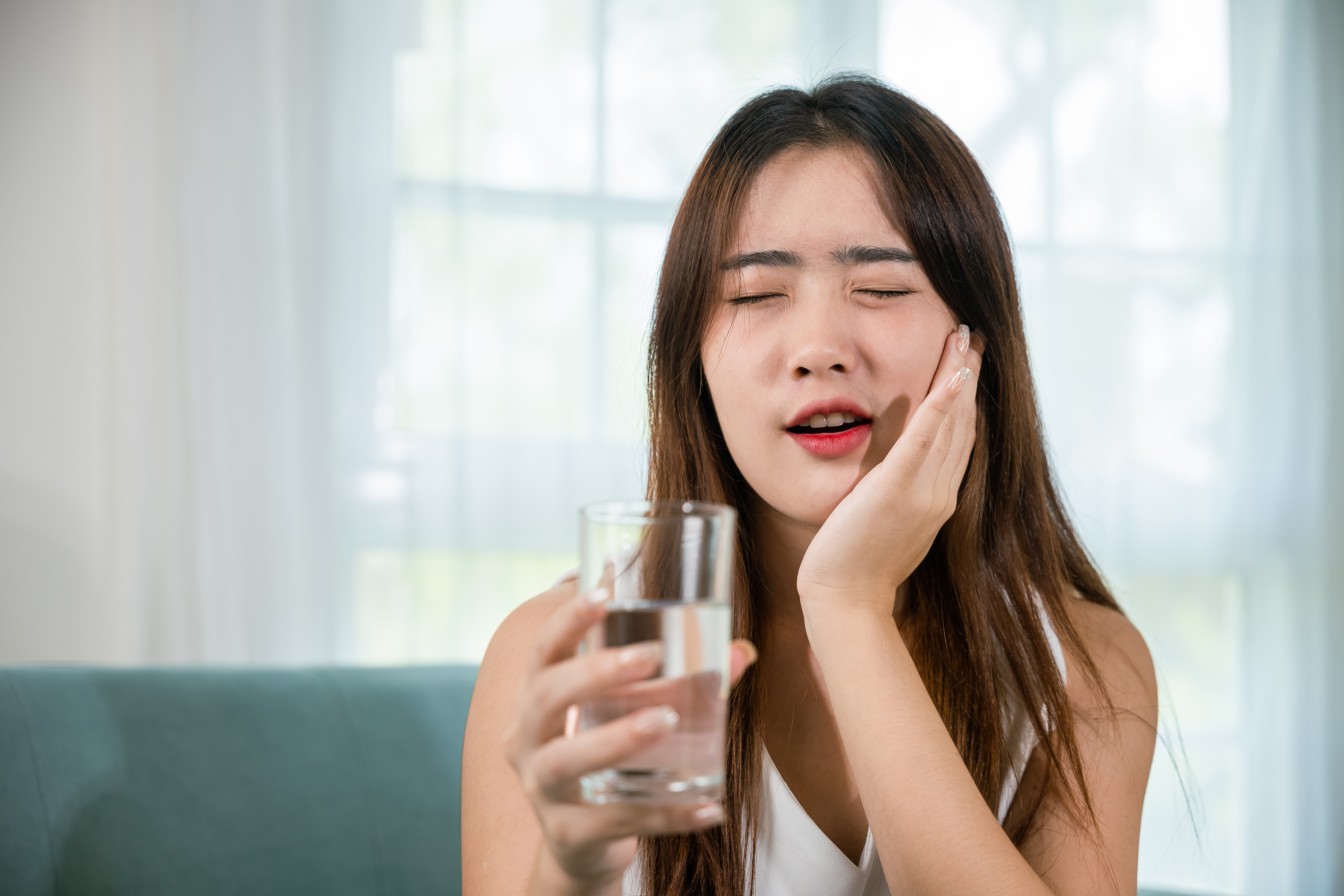
After blue light exposure, the internal nerves of the teeth may experience temporary sensitivity symptoms, such as a mild ache similar to the sensation of drinking cold water rapidly. However, this is only a temporary discomfort and will subside within a short period.
Non-Permanent Tooth Decalcification
During the whitening process, teeth may undergo temporary decalcification, which softens the enamel. However, this is not permanent damage. As long as you watch your diet during the initial post-treatment period, it will not cause any significant impact.
Gum Irritation
Beame does not recommend blue light whitening treatments for individuals with periodontal (gum) disease. If oral hygiene is poor, bacteria can infect and inflame the gum margins. Adding chemical irritation at this stage could cause red, swollen gums or more severe issues.
FAQs
Does blue light whitening damage teeth?
In fact, blue light teeth whitening does not damage teeth and is a non-invasive treatment. Beame utilizes the US-certified, third-generation Beyond Blue Light Catalyst paired with an exclusive natural whitening formula to deliver immediate results within 1 hour!
BEYOND 3rd Generation Technology from USA
U.S.-Certified
The scientifically-proven blue light technology activates whitening gel to deliver fast, noticeable results. This natural, non-invasive approach not only removes surface stains but penetrates deep into the enamel, lifting stubborn discoloration for whiter teeth that shine 3-5 shades brighter.
How long does blue light bleaching last? How often should it be done?
The optimal results of blue light whitening can last for half a year or more, depending on your dietary habits. Beame recommends whitening 4 to 6 times a year.
Beame's Blue Light Teeth Whitening Annual Pass is only ¥5,500 for unlimited teeth whitening throughout the year! At an average of just ¥486 per month, you can achieve a perfectly bright and white smile!
Blue Light / Cold Light Whitening :
| Option | Price |
|---|---|
| Single Session | ¥1,500 / session |
| Duo Whitening Offer (Save ¥620 instantly!) | ¥880 / session (Special offer for 2 people) Original Price: ¥1,500 |
| Treatment Package (3 Sessions) | ¥3,600 / package |
| Annual Pass (Unlimited Sessions) | ¥5,500 / package |
All Beame customers enjoy a complimentary oral CT scan.